
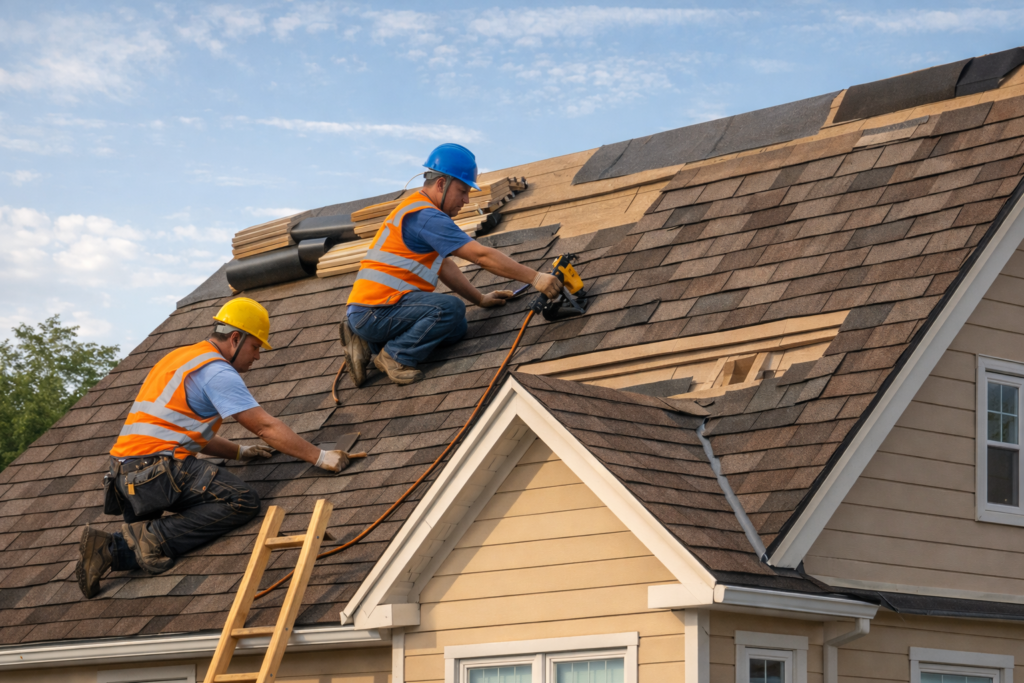
Roofing Material Lifespan: Key Takeaways
- Roofing lifespan depends on material + installation + climate, not warranties alone
- Asphalt shingles last 15–30 years and remain the most cost-effective option
- Metal roofs offer exceptional durability in snowy, four-season climates
- Slate and tile provide century-level longevity but require structural support
- Choosing an experienced local roofer directly impacts how long your roof actually lasts
A roof is not a cosmetic upgrade. It is a long-term structural investment that protects your home, controls energy costs, and preserves property value. Yet many homeowners are surprised when a roof fails earlier than expected—or lasts far longer than they planned. The difference usually comes down to one thing: material choice, combined with local conditions and installation quality.
In This Guide
This guide breaks down how long common roofing materials really last, using industry data, manufacturer benchmarks, and real-world performance. If you own a home in Pleasant Valley, climate, weather stress, and maintenance matter just as much as the material itself.
Understanding lifespan upfront helps you budget accurately, avoid premature replacement, and choose a roof that fits your home for decades—not just years.
What Determines a Roof’s Actual Lifespan?
Manufacturer warranties often promise 20, 30, or even 50 years—but those numbers assume ideal conditions. In reality, roof lifespan is influenced by several variables:
- Material quality and thickness
- Installation workmanship
- Local climate and seasonal extremes
- Roof slope and ventilation
- Maintenance and inspections over time
In areas like Pleasant Valley, roofs endure freeze-thaw cycles, heavy rain, snow loads, ice dams, wind, and summer heat. These conditions can shorten the life of poorly installed or lower-grade materials. With that context in mind, here’s how each major roofing type performs in the real world.
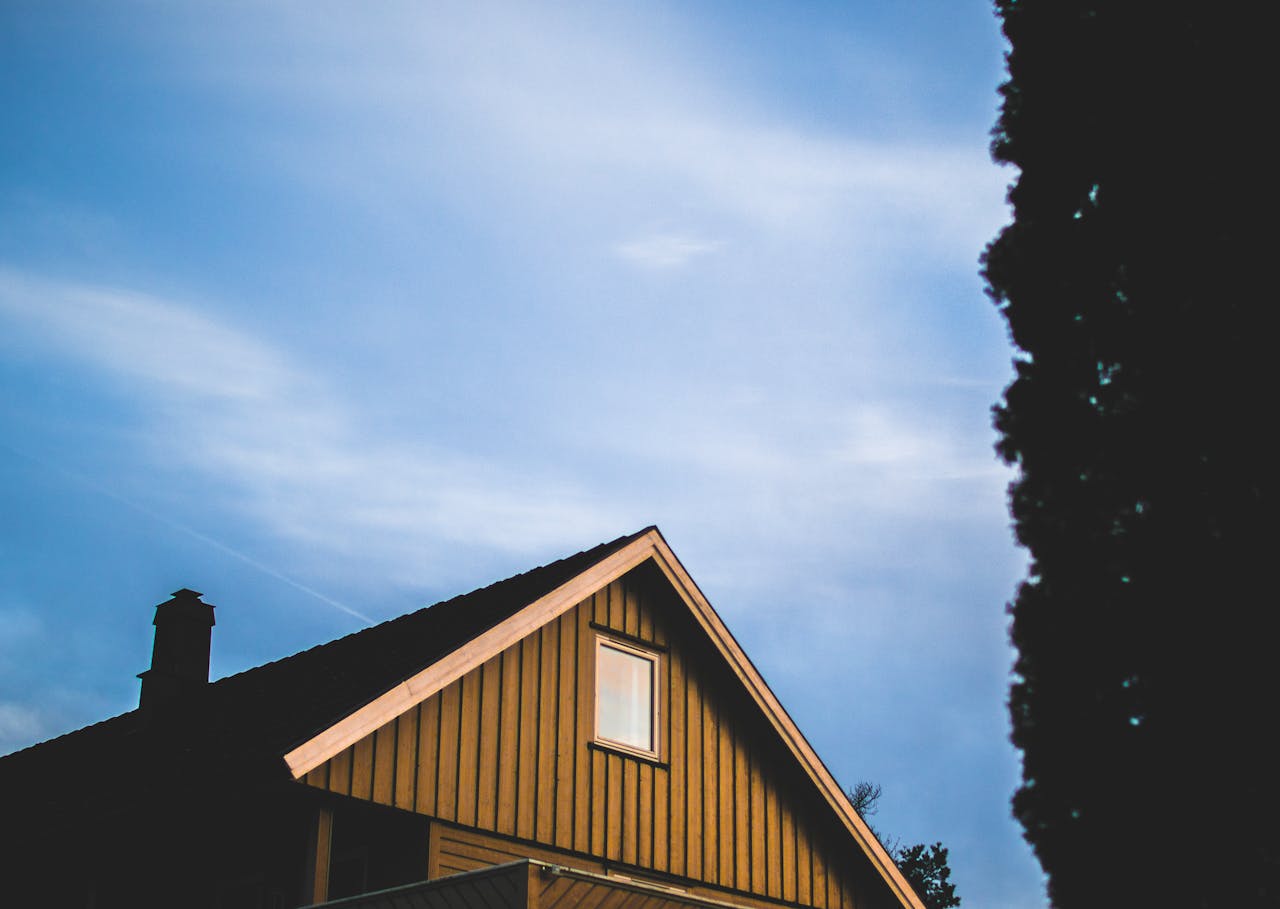
Asphalt Shingle Roofs (15–30 Years)
Typical lifespan:
- 3-tab asphalt shingles: 15–20 years
- Architectural (dimensional) shingles: 20–30 years
Asphalt shingles are the most common roofing material in the U.S. because they balance affordability, ease of installation, and reasonable durability. However, not all asphalt shingles perform the same.
What Impacts Asphalt Shingle Longevity?
- Shingle grade: Architectural shingles are thicker and last longer than basic 3-tab shingles.
- Sun exposure: UV radiation accelerates granule loss.
- Ventilation: Poor attic ventilation traps heat, shortening shingle life.
- Storm damage: Wind uplift and hail can significantly reduce lifespan.
Asphalt shingles often land closer to the middle of their lifespan range—assuming proper installation and ventilation. When installed correctly, they remain a dependable, cost-effective option for many homeowners.
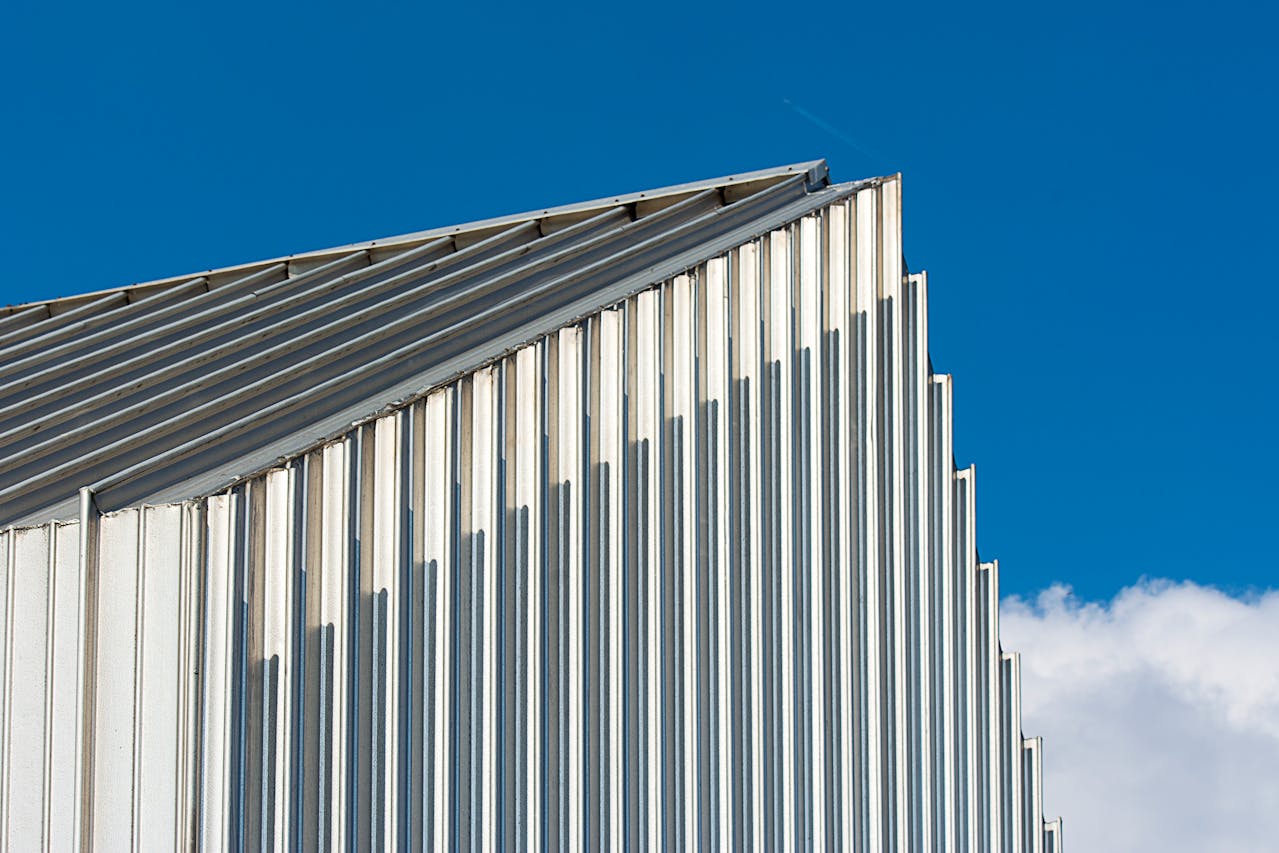
Metal Roofing (40–70+ Years)
Typical lifespan:
- Steel or aluminum panels: 40–60 years
- Standing seam systems: 50–70+ years
Metal roofing has moved from industrial buildings to residential homes for good reason. It offers exceptional longevity, strong weather resistance, and minimal maintenance.
Why Metal Roofs Last So Long
- Resistant to rot, insects, and fire
- High wind and snow shedding capability
- Protective coatings prevent corrosion
Metal roofs perform especially well in snowy climates because they shed snow efficiently, reducing ice dam risk. While the upfront cost is higher than that of asphalt, the extended lifespan often results in a lower lifetime cost.
Slate Roofing (75–100+ Years)
Typical lifespan:
- Natural slate: 75–100+ years
Slate is one of the longest-lasting roofing materials available. Many slate roofs installed over a century ago are still performing today.
Considerations With Slate
- Extremely durable and weather-resistant
- Fireproof and low maintenance
- Very heavy—requires structural evaluation
- Higher installation and repair costs
Slate is best suited for homeowners planning to stay long-term or preserve historic properties. When properly installed, it can outlast multiple generations of homeowners.
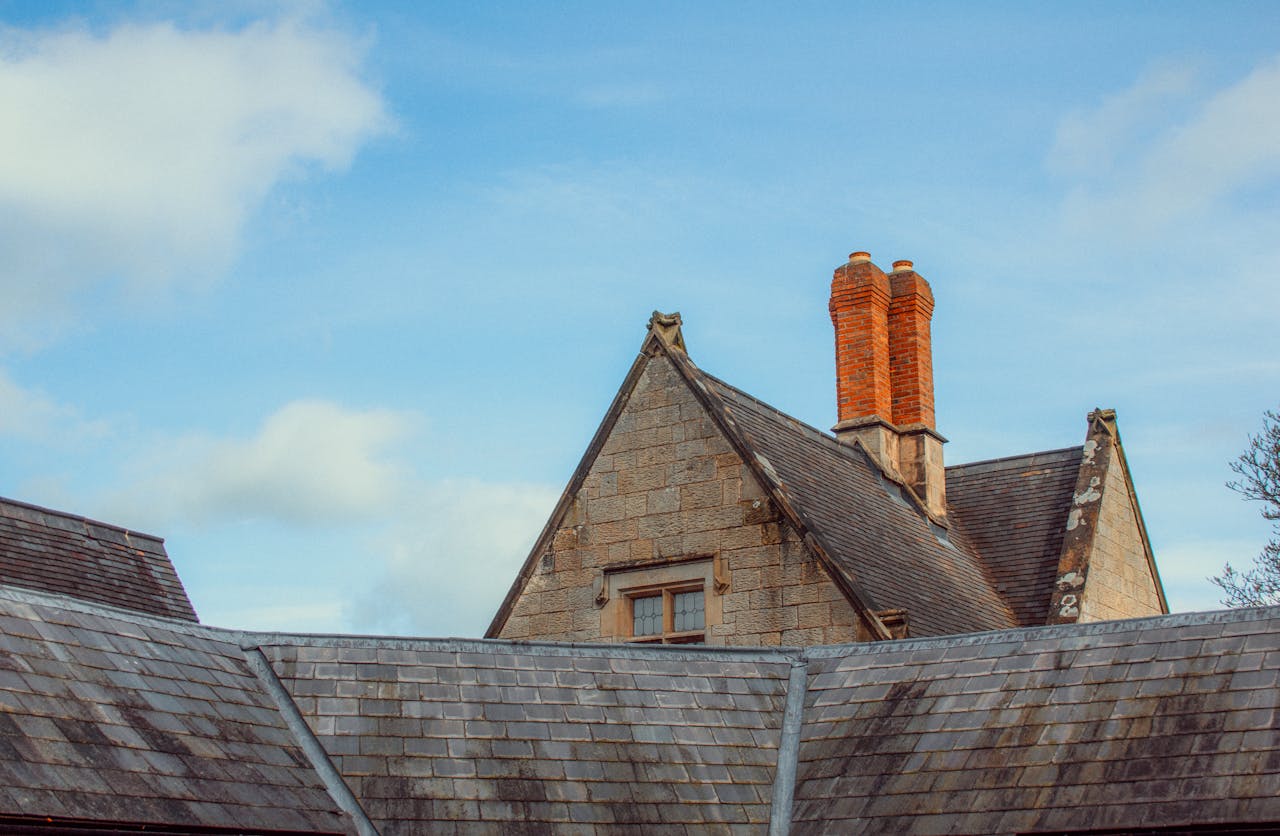
Wood Shake and Wood Shingle Roofs (20–40 Years)
Typical lifespan:
- Wood shingles: 20–30 years
- Wood shakes: 30–40 years
Wood roofing offers a natural, traditional appearance that many homeowners find appealing. Cedar is the most common choice due to its resistance to insects and moisture.
Factors That Shorten Wood Roof Life
- Moisture retention and moss growth
- Fire risk without treatment
- Regular maintenance requirements
In humid or wet climates, wood roofs require diligent upkeep to reach their full lifespan. Without proper maintenance, deterioration can occur much sooner.
Clay and Concrete Tile Roofs (50–100 Years)
Typical lifespan:
- Clay tile: 75–100 years
- Concrete tile: 50–75 years
Tile roofing is known for its durability, thermal performance, and distinctive appearance. While more common in warmer climates, tile roofs can perform well in Pleasant Valley when installed correctly.
What Makes Tile Roofing Durable
- Resistant to fire, rot, and insects
- Excellent thermal insulation properties
- Long service life when properly supported
The primary concern with tile roofing is weight. Homes must be structurally capable of supporting the load, and repairs require experienced professionals.
Flat Roofing Systems (15–40 Years)
Typical lifespan:
- EPDM (rubber): 20–30 years
- TPO/PVC: 20–30 years
- Modified bitumen: 15–25 years
- Built-up roofing (BUR): 20–40 years
Flat or low-slope roofs are common on commercial buildings and some residential structures. Lifespan varies significantly based on material and drainage design.
Flat Roof Longevity Depends On
- Proper slope and drainage
- Seam integrity
- Regular inspections and maintenance
Standing water is the biggest enemy of flat roofs. When addressed early, these systems can perform reliably for decades.
How Installation Affects Roof Lifespan
Even the best materials fail prematurely when installation is poor. Common installation-related issues include:
- Improper flashing
- Inadequate underlayment
- Poor ventilation design
- Incorrect fastening patterns
A professionally installed roof consistently outperforms a poorly installed one—sometimes by decades. This is why choosing an experienced local roofing contractor matters as much as the material itself.
Maintenance: The Hidden Factor in Roof Longevity
Regular maintenance can add years to any roof. Key practices include:
- Annual or biannual inspections
- Prompt repair of minor leaks or flashing damage
- Clearing debris from gutters and valleys
- Addressing moss or algae growth early
Small issues left unaddressed often turn into structural damage that shortens roof life dramatically.
Choosing the Right Roof for Pleasant Valley Homes
There is no single “best” roofing material—only the best option for your home, budget, and long-term plans. Homeowners in Pleasant Valley should prioritize:
- Weather resistance
- Proven performance in four-season climates
- Professional installation and warranty support
Working with a local roofing company that understands regional weather patterns ensures the roof is designed for real conditions—not just manufacturer specs.
Frequently Asked Questions About Roof Lifespan
1. How often should a roof be inspected?
At least once per year, plus after major storms. Regular inspections catch small issues before they shorten roof life.
2. Does climate affect roof lifespan in Pleasant Valley?
Yes. Freeze-thaw cycles, snow loads, ice dams, and summer heat all accelerate wear without proper materials and ventilation.
3. Which roofing material is best for long-term value?
Metal roofing often provides the best long-term value due to durability, low maintenance, and energy efficiency.
4. Can poor installation shorten roof life?
Absolutely. Improper flashing, ventilation, or fastening can reduce lifespan by 10–20 years, even with premium materials.
5. When should a roof be replaced instead of repaired?
If the roof is nearing the end of its expected lifespan and repairs are recurring, replacement is usually the more cost-effective choice.
Make a Roof Investment That Lasts
A roof replacement is one of the largest investments you will make in your home. Choosing the right material and ensuring it is installed correctly can mean the difference between replacing your roof once or multiple times over your ownership period.
Homeowners who take the time to understand material lifespan, maintenance needs, and climate considerations consistently get more value, fewer surprises, and longer-lasting results. Roofer of Pleasant Valley helps homeowners make informed decisions with professional installation, region-specific expertise, and a long-term performance mindset. When evaluated properly, your roof becomes not just protection, but a long-term asset.