
What’s In This Guide
- What Does a Roof Inspection Near Me Actually Include?
- Which Parts of Your Roof Receive the Closest Attention During a Residential Roof Inspection?
- What Problems Can a Roof Inspection Reveal Before They Become Major Repairs?
- How Can Pleasant Valley Homeowners Prepare Before a Roof Inspection?
- Frequently Asked Questions (FAQs)
- Ready to Act on Your Roof Inspection Findings?
Roof damage rarely starts with obvious leaks. Small issues such as lifted shingles, deteriorated flashing, clogged gutters, or poor attic ventilation often develop long before interior damage appears.
Understanding what a professional roof inspection near me includes helps Pleasant Valley homeowners identify problems early, prioritize repairs, and extend the service life of their roofing system.
Quick Facts
- A roof inspection evaluates shingles, flashing, gutters, attic ventilation, and other key roofing components.
- Early inspections can uncover hidden leaks, storm damage, and moisture issues before repairs become more extensive.
- Flashing, roof penetrations, valleys, and gutters receive close attention because they are common leak locations.
- Preparing roof records, documenting interior concerns, and clearing access helps streamline the inspection process.
- Annual inspections and post-storm evaluations help extend roof life and support informed maintenance decisions.
What Does a Roof Inspection Near Me Actually Include?
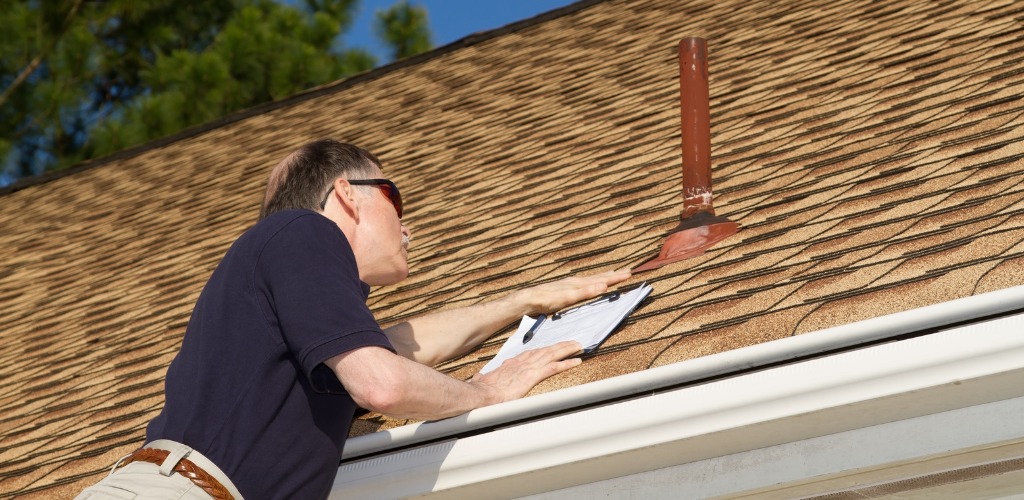
A professional roof inspection evaluates the complete roofing system rather than only the visible shingles. Inspectors assess exterior materials, drainage components, flashing, attic conditions, and signs of moisture intrusion to determine the roof’s overall condition.
A comprehensive inspection generally includes:
|
Inspection Area |
What Is Evaluated |
|
Roofing materials |
Missing, cracked, curling, or aging shingles |
|
Flashing |
Rust, gaps, loose sections, deteriorated sealant |
|
Chimneys and vents |
Proper sealing and weather protection |
|
Roof valleys |
Debris buildup and drainage performance |
|
Ridge caps |
Damage and deterioration |
|
Gutters |
Drainage efficiency and blockages |
|
Fascia and soffits |
Moisture damage and wood decay |
|
Attic |
Insulation, ventilation, leaks, mold, daylight penetration |
A roof inspection for homeowners helps identify existing damage, maintenance needs, and developing issues before repairs become more extensive.
Which Parts of Your Roof Receive the Closest Attention During a Residential Roof Inspection?
A residential roof inspection focuses on roof areas where leaks most commonly develop. Flashing, penetrations, valleys, drainage systems, and attic ventilation require the closest evaluation.
How Are Roofing Shingles or Roofing Materials Evaluated?
Roofing materials provide valuable information about roof condition and remaining service life. Inspectors evaluate wear patterns, storm damage, and installation quality.
Common findings include:
- Missing shingles
- Curling edges
- Cracked or broken shingles
- Granule loss
- Wind uplift
- Hail impact marks
- Exposed fasteners
- Uneven roof surfaces
Roof age is also considered because normal material aging influences repair recommendations.
Why Are Flashings, Roof Penetrations, and Valleys Carefully Inspected?
Flashing failures are one of the most common causes of residential roof leaks. Proper sealing around roof openings helps prevent water intrusion.
Inspectors evaluate:
- Chimney flashing
- Plumbing vent flashing
- Skylight flashing
- Wall intersections
- Roof valleys
- Pipe boots
- Sealant deterioration
Water frequently enters through flashing failures before ceiling stains become visible indoors.
How Do Gutters, Fascia, and Soffits Affect Roof Performance?
Effective drainage protects roofing materials and surrounding structural components. Overflowing gutters increase moisture exposure around roof edges.
Inspectors check for:
- Clogged gutters
- Loose fasteners
- Sagging sections
- Improper drainage
- Wood rot
- Water staining
- Animal damage
Poor drainage can shorten the lifespan of roofing materials by allowing water to collect where it should drain away.
Why Does the Attic Matter During a Roof Inspection?
Attic conditions often reveal hidden roofing problems before exterior damage becomes obvious.
Inspectors look for:
- Water stains
- Mold growth
- Wet insulation
- Poor airflow
- Condensation
- Visible daylight through roof decking
Proper attic ventilation helps regulate moisture and temperature, both of which influence roof performance and longevity.
MORE ON THIS TOPIC: When to Call for a Roof Inspection After a Windstorm
What Problems Can a Roof Inspection Reveal Before They Become Major Repairs?
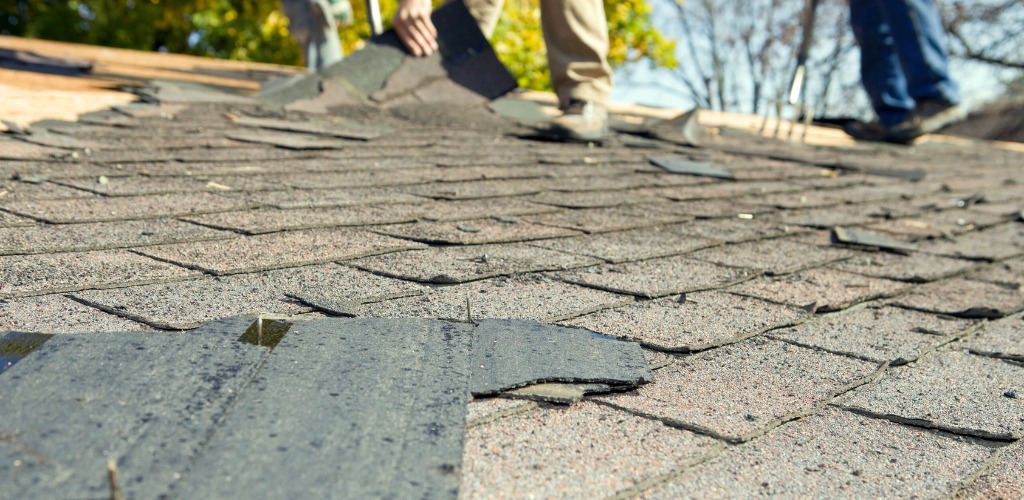
Early identification allows homeowners to address smaller roofing issues before moisture spreads into structural components.
|
Problem |
Early Warning Signs |
Possible Result |
|
Flashing failure |
Loose metal or cracked sealant |
Interior leaks |
|
Wind damage |
Lifted shingles |
Water intrusion |
|
Hail damage |
Surface impacts |
Reduced material life |
|
Clogged gutters |
Overflow |
Fascia damage |
|
Ventilation issues |
Excess attic heat |
Premature shingle aging |
|
Moisture intrusion |
Ceiling stains |
Mold and wood decay |
|
Sagging decking |
Uneven roof surface |
Structural concerns |
Inspection findings do not automatically indicate roof replacement. Many issues can be resolved through targeted repairs and routine maintenance.
How Can Pleasant Valley Homeowners Prepare Before a Roof Inspection?
Simple preparation helps inspectors complete a more efficient evaluation and provide accurate recommendations.
Step 1: Gather Roof Information
Collect available records, including:
- Roof installation date
- Previous repair invoices
- Warranty documents
- Insurance claim history
Step 2: Document Interior Warning Signs
Record any concerns such as:
- Ceiling discoloration
- Water stains
- Dripping during rain
- Musty odors
- Drafts near attic spaces
Photographs help inspectors compare current conditions with previous damage.
Step 3: Clear Exterior Access
Before the inspection:
- Move vehicles from the driveway if necessary.
- Unlock gates.
- Secure pets.
- Remove outdoor obstacles around the home.
Step 4: Prepare Questions for Your Roofing Contractor
Consider asking:
- What repairs need immediate attention?
- Which issues should be monitored?
- How much service life remains?
- Are preventive maintenance steps recommended?
Frequently Asked Questions (FAQs)
What is included in a roof inspection?
A professional inspection typically evaluates roofing materials, flashing, gutters, roof penetrations, attic ventilation, structural conditions, and visible signs of moisture damage.
How long does a residential roof inspection usually take?
Most residential inspections take between 45 and 90 minutes, depending on roof size, complexity, accessibility, and observed conditions.
Can a roof inspection detect hidden leaks?
Yes. Inspectors often identify moisture indicators such as attic staining, deteriorated decking, insulation damage, mold growth, or ventilation issues before active dripping becomes noticeable.
Should I schedule a roof inspection after every major storm?
Yes. High winds, hail, falling branches, and severe weather can damage roofing materials without causing immediate interior leaks. It’s recommended to inspect homes for storm-related damage after severe weather when conditions are safe.
How often should a roof inspection be scheduled?
Many roofing professionals recommend annual inspections and additional evaluations after significant storms, especially as roofing materials continue to age.
Ready to Act on Your Roof Inspection Findings?
A professional roof inspection is most valuable when the findings lead to a clear maintenance or repair plan. Roofer of Pleasant Valley helps homeowners understand inspection results, prioritize recommendations, and determine the most practical next steps based on the roof’s condition and long-term performance goals.
Request a professional roof inspection from Roofer of Pleasant Valley to receive a detailed assessment and a clear plan for protecting your home.