
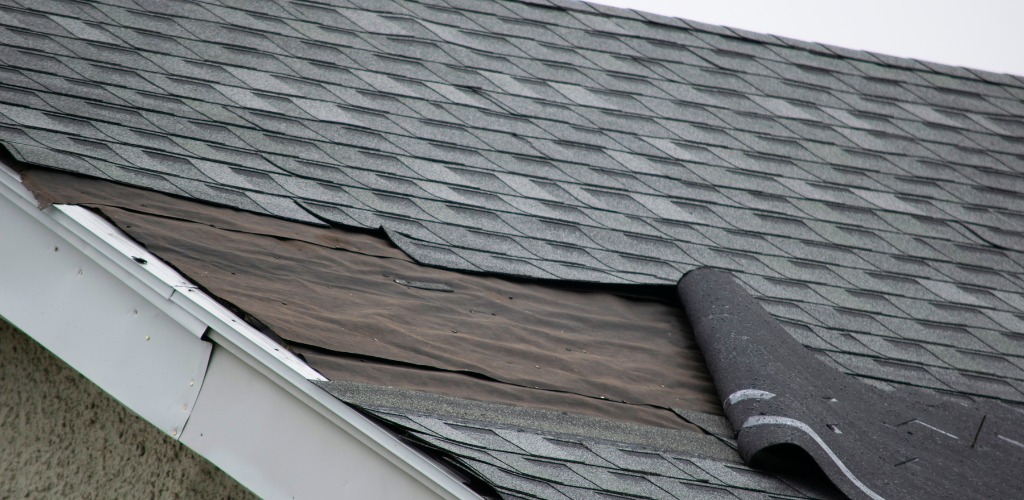
Quick Facts
- Missing shingles expose roofs to moisture and structural damage.
- Wind damage often starts with lifted, cracked, or curled shingles.
- Active leaks and exposed decking require immediate repair.
- Delaying damaged roof repair can increase long-term costs.
- Professional inspections help determine whether repair or replacement is needed.
What’s In This Guide
- Signs You Need Roof Repair Near You Immediately
- How Long Can You Wait Before Repairing Missing Shingles?
- How to Check for Roof Damage Safely
- Why Missing Shingles Can Lead to Larger Roofing Problems
- Roof Repair Near Me vs. Roof Replacement: How to Know What to Choose
- Frequently Asked Questions
- Protect Your Home Before Roof Damage Gets Worse
Your roof is one of the most important parts of your home, but small roofing problems are often easy to overlook at first. After strong winds, heavy rain, or seasonal weather changes, homeowners may notice shingles that appear loose, cracked, or completely missing. While some damage may seem minor, exposed areas on a roof can gradually lead to moisture intrusion and larger structural concerns if left unaddressed.
Knowing when roof damage requires professional attention can help prevent more costly repairs and protect the overall condition of your home.
Here are the key signs that missing shingles may require roof repair in Pleasant Valley.
Signs You Need Roof Repair Near You Immediately
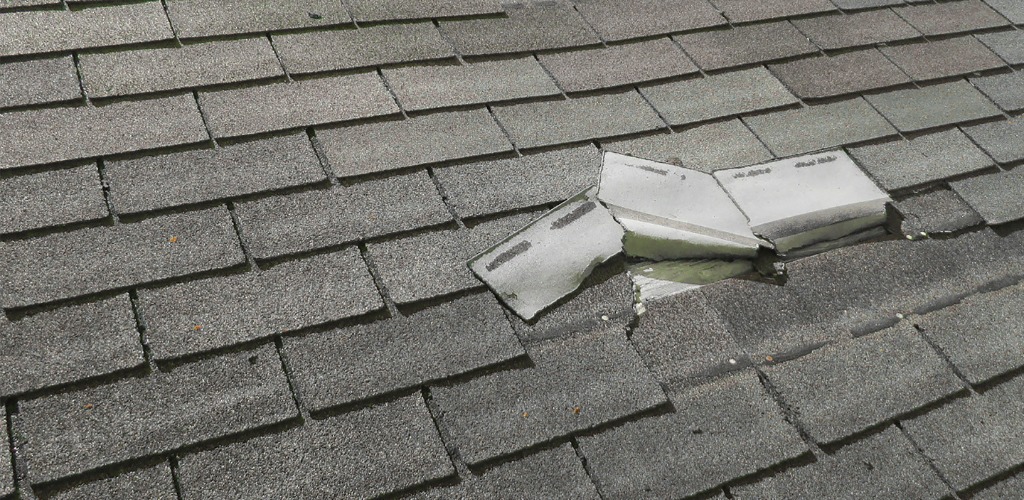
Some forms of shingle damage require urgent attention to prevent larger roofing problems.
Water Leaks or Moisture Inside the Home
Interior warning signs often indicate active roof failure:
- Ceiling discoloration
- Damp attic insulation
- Mold or mildew odors
- Water dripping during storms
Once moisture enters the roofing system, the damage can spread rapidly through insulation and wooden framing.
Multiple Missing Shingles
If several shingles are missing in one area, surrounding shingles may already be weakened. Widespread shingle loss typically points to larger wind-related roof failure rather than isolated cosmetic damage.
Exposed Roofing Felt or Decking
When dark roofing felt or bare wood becomes visible, the roof is no longer fully protected from weather exposure. UV radiation and moisture can quickly deteriorate exposed materials.
Sagging Roof Areas
Soft spots or sagging sections may indicate trapped moisture and rotting decking beneath the surface. This type of damaged roof repair should never be delayed.
Granules Accumulating in Gutters
As shingles age, they lose protective granules. Excessive granule buildup in gutters may indicate the roofing system is deteriorating and becoming more vulnerable to wind damage.
How Long Can You Wait Before Repairing Missing Shingles?
The timeline for repairs depends on the severity of the damage and upcoming weather conditions.
Situations That Need Immediate Repair
Professional repair should happen quickly when:
- Active leaks are present
- Large roof sections are exposed
- Storm damage has lifted multiple shingles
- Heavy rain or snow is expected soon
When a Short Delay May Be Acceptable
In some cases, a brief delay may not create immediate risk:
- Only one shingle is missing
- No leaks are visible
- The roof is relatively new
- Weather conditions remain mild
Risks of Waiting Too Long
Delaying roof damage repair near you after visible damage can lead to:
- Mold growth
- Rotting wood decking
- Insulation damage
- Higher energy costs
- More expensive structural repairs
How to Check for Roof Damage Safely
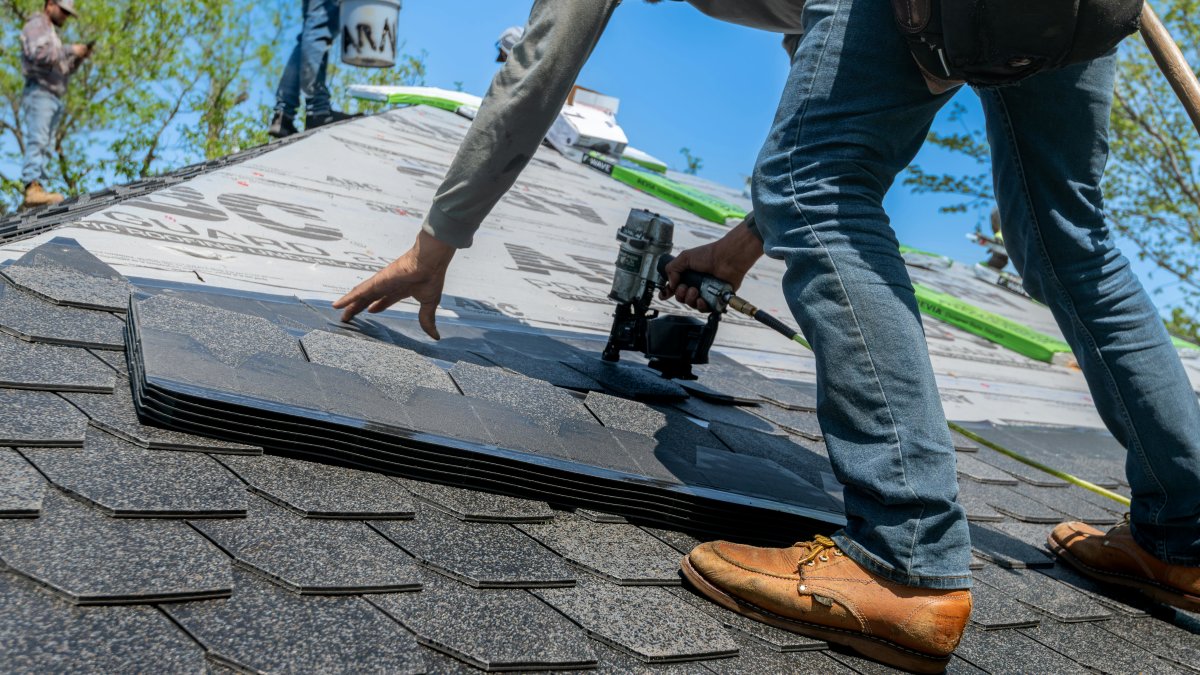
Homeowners can perform a basic visual inspection without climbing onto the roof.
Step 1: Inspect the Ground Around the Home
Look for:
- Detached shingles
- Roofing nails
- Granules near downspouts or gutters
Step 2: Look for Visible Roof Changes
Use binoculars if necessary to identify:
- Uneven roof surfaces
- Dark exposed patches
- Lifted shingles
- Missing sections
Step 3: Check the Attic
Inside the attic, look for:
- Sunlight entering through the roof boards
- Moisture stains
- Damp insulation
Step 4: Document the Damage
Take clear photographs of any missing shingles, exposed areas, or debris around the property after a storm. Documenting the damage early can help support insurance claims, track worsening conditions, and provide roofing professionals with a better understanding of the repair needs before the inspection.
Step 5: Schedule a Professional Roof Inspection
Walking on a damaged roof can be dangerous. Professional roofing contractors can identify hidden structural problems and determine whether affordable roof repairs for any type of damage are possible or if replacement is necessary.
Why Missing Shingles Can Lead to Larger Roofing Problems
Even localized shingle damage can affect multiple parts of the home.
Moisture Penetration
Water can travel underneath surrounding shingles and spread far beyond the visible damaged area. This can lead to stains, leaks, and hidden deterioration before the issue is noticeable indoors.
Insulation Damage
Wet insulation loses effectiveness, forcing HVAC systems to work harder and increasing energy bills. If moisture remains trapped, insulation may also need to be removed and replaced.
Mold and Mildew Growth
Moisture trapped in attics and ceilings creates conditions for mold and mildew growth. Over time, this can affect indoor air quality and make repairs more extensive.
Structural Deterioration
Long-term water exposure weakens roof decking and support structures. What starts as a small missing-shingle issue can eventually require more costly damaged roof repair.
Roof Repair Near Me vs. Roof Replacement: How to Know What to Choose
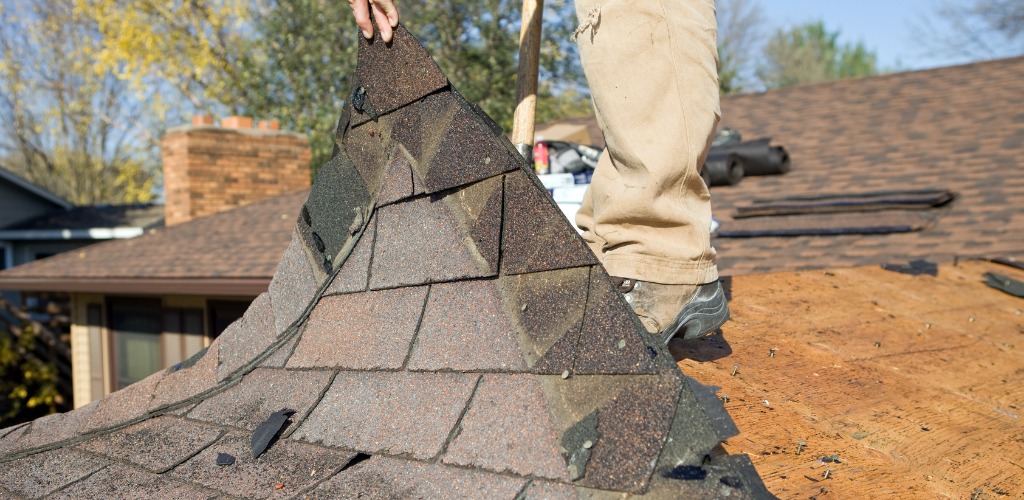
Not all missing shingle damage requires a full roof replacement.
|
Roof Damage Repair Near Me May Be Enough If… |
Roof Replacement May Be Necessary If… |
|
Damage is limited to a small area |
Damage is widespread across the roof |
|
The roof is under 15–20 years old |
The roofing system is nearing the end of its lifespan |
|
No major moisture or structural damage is present |
Repeated leaks continue to occur |
|
Shingles were recently lost during a storm |
Shingles are heavily cracked, curling, or deteriorated |
|
The rest of the shingles remain in good condition |
Underlying decking or structural damage is found |
|
Repairs can restore the roof’s protective barrier effectively |
Repairs would only provide a temporary solution |
| MORE ON THIS TOPIC: Roof Repair vs Replacement: 8 Factors to Consider Before You Decide
Frequently Asked Questions
Can one missing shingle cause a roof leak?
Yes. A single missing shingle can expose underlayment and decking to water intrusion, especially during heavy rain or strong winds.
Is wind damage covered by homeowners’ insurance?
Many insurance policies cover sudden storm-related roof damage, though coverage varies by policy and roof condition.
Should I tarp my roof after shingles blow off?
Yes. Temporary tarping can help limit water intrusion until permanent repairs are made, especially before rain or snow. It should only be used as a short-term fix.
How much wind can remove shingles?
Older shingles may loosen in winds between 45–60 mph, while newer roofing systems are designed to withstand higher wind speeds.
Is it safe to inspect missing shingles myself?
Basic ground-level inspections are usually safe, but climbing onto a damaged roof can be dangerous. Professional inspections are recommended for safety and accuracy.
Protect Your Home Before Roof Damage Gets Worse
Missing shingles are more than a cosmetic issue. They can expose your home to leaks, mold growth, insulation damage, and structural deterioration if left unaddressed. After storms or visible wind damage, homeowners should schedule a professional inspection as soon as possible to prevent more extensive repairs later.
For homeowners in Pleasant Valley, NY, contact Roofer of Pleasant Valley for reliable and affordable roof repairs for storm damage before minor damage becomes a bigger problem.